Imagine the moment when you crack open a loaf of homemade sourdough bread, releasing a warm, tangy aroma that dances through the air. The crispy crust gives way to a soft, airy interior that promises to deliver an unforgettable flavor experience with each bite—perfectly chewy and slightly nutty, it’s a little slice of heaven that can elevate any meal.
As I recall my first attempt at baking this beloved staple, I remember the anticipation as I watched the dough rise, knowing that soon I’d share it with friends over a cozy dinner. Whether it’s for a weekend brunch or a simple weeknight dinner, this sourdough bread recipe brings people together and creates moments worth savoring. Get ready to embark on your own baking adventure and enjoy the delightful taste of something truly special.
Why Will You Keep Making Sourdough Bread Recipe?
Homemade sourdough is a game changer! With just 500 grams of bread flour and 350 grams of water, you’ll create a loaf that boasts a crispy crust and a tender interior. The magic of an active sourdough starter (100 grams) infuses deep, complex flavors that elevate every bite. Plus, with only 10 grams of salt, you’ll enjoy a balanced taste that’s not overpowering. This recipe takes just 30 minutes of prep and 45 minutes to bake, making it perfect for busy bakers who crave deliciousness without the fuss!
Sourdough Bread Recipe Ingredients
- For the Dough
- 4 cups bread flour – This high-protein flour helps create a strong structure for your sourdough bread.
- 1 1/2 cups water (room temperature) – Using room temperature water ensures your yeast activates properly for a great rise.
- 1/2 cup sourdough starter (active) – Ensure your starter is bubbly and active for the best flavor and fermentation.
- 1 3/4 teaspoons salt – Salt enhances the flavor while also regulating yeast activity, leading to a beautifully balanced loaf.
Step-by-Step Sourdough Bread Recipe
1. Combine bread flour and water in a mixing bowl. Stir until no dry flour remains; this will create a thick, shaggy dough that sets the foundation for your sourdough bread recipe.
2. Incorporate the active sourdough starter and salt into your mixture. Mix until everything is fully combined, ensuring each ingredient plays its part in developing flavor and texture.
3. Knead the dough for about 10 minutes on a clean surface. You want it to become smooth and elastic, a sign that gluten is developing beautifully within your 500 grams of bread flour.
Fermentation:
4. Cover the bowl with a damp cloth and let the dough rest for 4-6 hours at room temperature. This slow fermentation is crucial for flavor development—watch it puff up!
5. Stretch and fold the dough every hour during fermentation, helping to strengthen its structure while creating those lovely air pockets inside.
Shaping and Baking:
6. Preheat your oven to 450°F (230°C) with a dutch oven inside. Getting it hot ensures that you’ll achieve that coveted crispy crust on your loaf.
7. Shape the rested dough into a round loaf and let it rest for 30 minutes. This final rise allows the dough to relax before baking.
8. Transfer the dough carefully into the hot dutch oven, cover it, and bake for 30 minutes. This steamy environment helps create that beautiful crust.
9. Remove the lid after 30 minutes and bake for an additional 15 minutes until it’s golden brown and calling your name from the oven—who can resist?
Optional: Enjoy with a slather of butter or your favorite jam!
Exact quantities are listed in the recipe card below.
Expert Tips
- Flour Quality: Use high-protein bread flour for better gluten development, ensuring your sourdough bread has a chewy texture and crispy crust.
- Water Temperature: Always use room temperature water to activate the sourdough starter effectively without shocking it, promoting a healthy fermentation process.
- Kneading Technique: Knead until the dough is smooth and elastic; under-kneading can result in a dense loaf, while over-kneading may cause it to be too tough.
- Fermentation Timing: Be patient during fermentation; if the dough doesn’t rise significantly, give it more time—each environment varies in temperature and humidity.
- Stretching Method: Perform gentle stretch and folds instead of vigorous kneading during fermentation to build strength without deflating the dough.
- Dutch Oven Care: Ensure the dutch oven is preheated thoroughly before placing your shaped dough inside; this creates steam, helping achieve that perfect crust on your sourdough bread recipe.
How to Store and Freeze Sourdough Bread Recipe
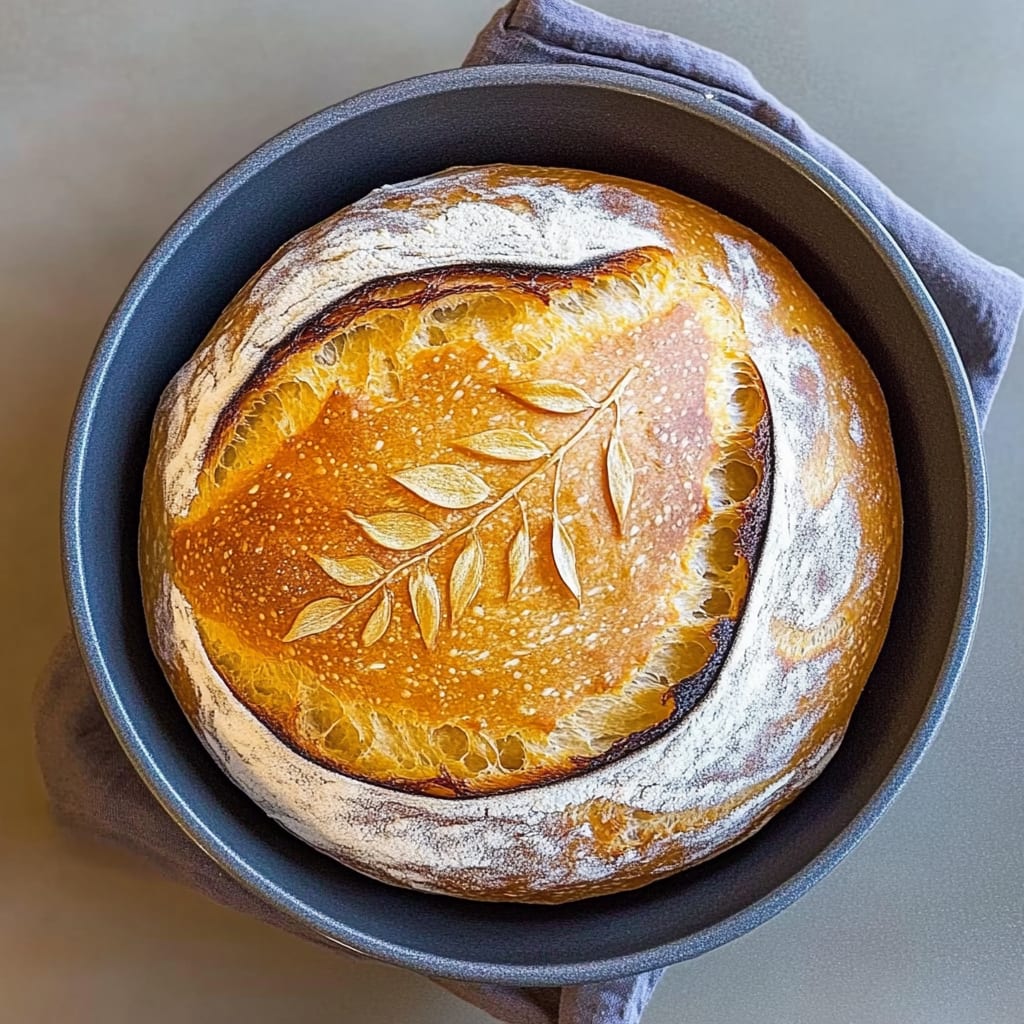
Room Temperature: Store your sourdough bread at room temperature in a paper bag for up to 3 days to maintain its crispy crust.
Freezer: Wrap the cooled sourdough loaf tightly in plastic wrap and then foil before freezing. It can last up to 3 months without losing flavor.
Reheating: To revive your sourdough bread, preheat the oven to 350°F (175°C) and warm it for about 10-15 minutes for that fresh-baked taste.
Sourdough Bread Recipe Your Way
Feel free to let your creativity shine by customizing this delightful loaf to suit your taste and dietary needs!
- Whole Wheat: Substitute 250 grams of bread flour with whole wheat flour for a nuttier flavor and added fiber. This twist not only enhances the bread’s nutritional profile but also gives it a beautiful, rustic appearance.
- Herbed Delight: Add 2 tablespoons of your favorite dried herbs, like rosemary or thyme, to the dough for an aromatic infusion. The fragrant notes will elevate your sourdough, making it perfect for pairing with soups or serving at gatherings.
- Cheesy Goodness: Mix in 100 grams of shredded cheese, such as cheddar or mozzarella, before the final rise. The melty pockets of cheese will create a luscious texture and rich flavor that’s utterly irresistible.
- Spicy Kick: Incorporate 1 teaspoon of crushed red pepper flakes into the dough for a subtle heat boost. This variation adds an exciting twist that pairs wonderfully with savory spreads or soups.
- Sweet Twist: Add 50 grams of honey or maple syrup to the water for a touch of sweetness. This creates a delightful contrast to the tangy sourdough flavor, perfect for breakfast toasting or holiday feasts.
- Seeded Crunch: Fold in 50 grams of mixed seeds—like sunflower, sesame, or flax—into the dough for added crunch and nutrition. This not only enhances texture but also provides a lovely visual appeal when baked.
- Nutty Flavor: Introduce 100 grams of finely chopped nuts, such as walnuts or pecans, for a rich taste and satisfying bite. The earthy flavors will complement the sourdough beautifully, making each slice memorable.
Make Ahead Options
This Sourdough Bread Recipe is perfect for meal prep, allowing you to enjoy fresh, homemade bread without the last-minute rush. You can prepare your dough ingredients—500 grams of bread flour, 350 grams of room temperature water, 100 grams of active sourdough starter, and 10 grams of salt—up to 24 hours in advance. To save time, mix the flour and water until no dry bits remain, then incorporate the sourdough starter and salt. Knead the dough until smooth and elastic, cover it with a damp cloth, and let it ferment at room temperature for 4-6 hours. You can also stretch and fold the dough every hour during fermentation. Once you’re ready to bake, simply shape the rested dough into a round loaf and let it rest for another 30 minutes before transferring it to your preheated dutch oven. Following these steps ensures you’ll have a deliciously crispy sourdough with a soft interior that’s ready to serve anytime!
Sourdough Bread Recipe Questions Answered
What type of bread flour should I use for this sourdough bread recipe?
For the best results, opt for high-protein bread flour, as it helps create a stronger gluten structure. Brands like King Arthur or Bob’s Red Mill offer excellent options. If you want to experiment, you can also mix in some whole wheat flour for added flavor and nutrition, but keep in mind that it may slightly alter the texture.
How can I tell if my sourdough starter is active enough?
Your sourdough starter should be bubbly and have doubled in size within 4-6 hours after feeding. A good test is to drop a spoonful into a glass of water; if it floats, it’s ready to use! This ensures your bread will rise beautifully and develop that signature tangy flavor.
Can I store leftover sourdough bread, and how should I do it?
Absolutely! Once your sourdough bread has cooled completely, wrap it in a clean kitchen towel or place it in a paper bag to maintain its crustiness. Store it at room temperature for up to 2 days. For longer storage, slice the loaf and freeze it in an airtight container or freezer bag; it will stay fresh for up to 3 months.
What are some common troubleshooting tips if my dough isn’t rising properly?
If your dough isn’t rising, check the temperature of your kitchen; ideally, it should be around 75°F (24°C) for optimal fermentation. Also, make sure your sourdough starter is active and bubbly before using it. If needed, extend the fermentation time by an hour or two until you see some bubbles forming on the surface.
How long do I need to knead the dough for this recipe?
Knead the dough for about 10 minutes until it feels smooth and elastic. You can also perform a “windowpane test”: stretch a small piece of dough; if it forms a thin membrane without tearing, you’re ready to let it rise!
What are some serving suggestions for my homemade sourdough bread?
The delightful texture and flavor of homemade sourdough bread pair wonderfully with various toppings! Try spreading creamy butter with sea salt or topping slices with avocado and a sprinkle of chili flakes. You can also serve this bread alongside soups or salads—it’s perfect for dipping!
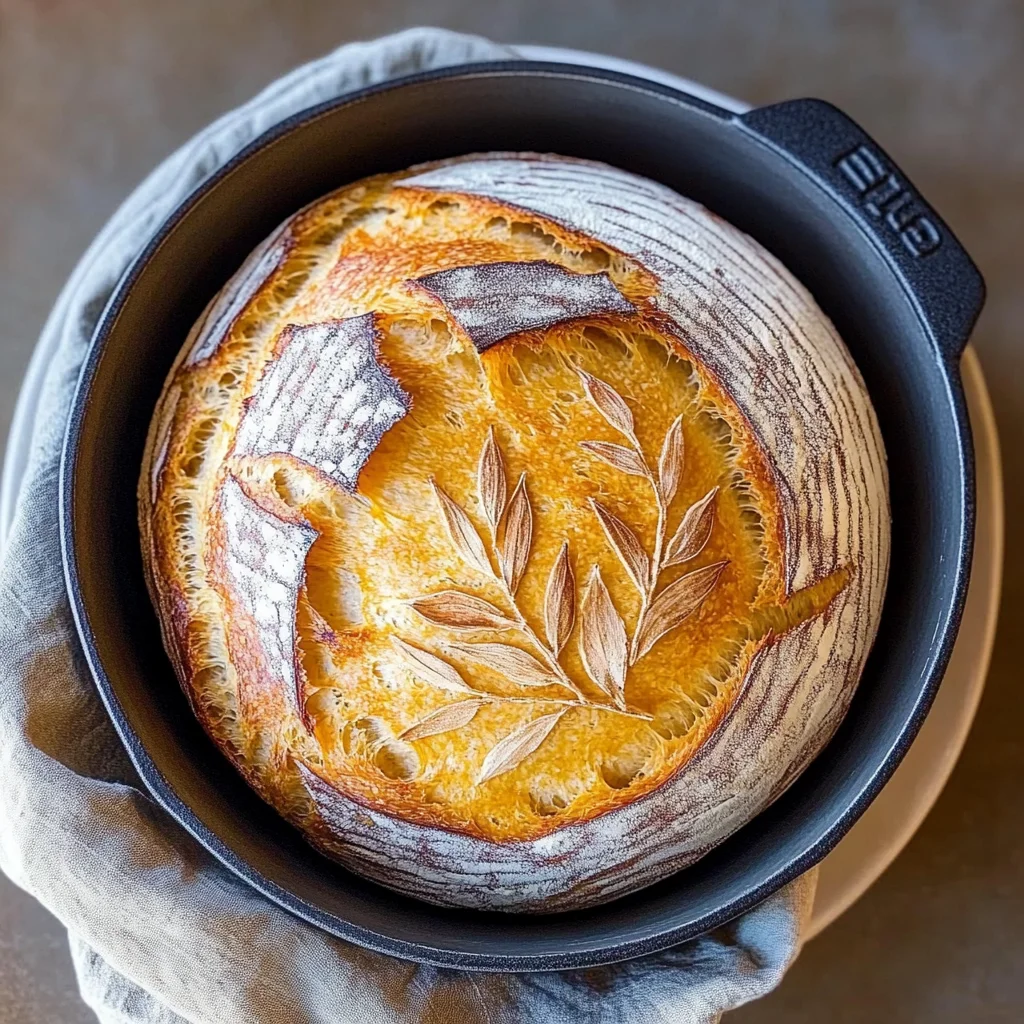
Sourdough Bread
Ingredients
Method
- In a mixing bowl, combine the bread flour and water. Mix until no dry flour remains.
- Add the sourdough starter and salt. Mix until fully incorporated.
- Knead the dough for about 10 minutes until it becomes smooth and elastic.
- Cover the bowl with a damp cloth and let it rest for 4-6 hours at room temperature.
- Stretch and fold the dough every hour during the fermentation.
- Preheat the oven to 450°F (230°C) with a dutch oven inside.
- Shape the dough into a round loaf and let it rest for 30 minutes.
- Transfer the dough to the hot dutch oven and cover. Bake for 30 minutes.
- Remove the lid and bake for an additional 15 minutes until golden brown.